
Seasonal
February Planting Calendar for Warm Springs: Your Week-by-Week Guide
February is the month when Warm Springs gardeners transition from cool-season crops to warm-season preparations. This week-by-week calendar tells you exactly what to do each week in February for zone 9b.
February is one of the most exciting months in the Warm Springs garden. It's the pivot point — the month where we're still harvesting cool-season crops while simultaneously starting to plan and prepare for the warm season ahead. Get February right, and you'll be harvesting tomatoes and peppers by early summer. Miss the window, and you'll find yourself scrambling in March.
This week-by-week calendar tells you exactly what to do each week in February so you never have to guess again.

Understanding February in Zone 9b
February in Warm Springs brings transitional weather:
- Daytime highs: 62–72°F (warming fast toward month's end)
- Nighttime lows: 38–48°F (frost still possible early in the month)
- Soil temperature: 52–60°F (warm enough for many seeds)
- Days are lengthening rapidly — plants respond to the changing light
This combination means:
- Cool-season crops are still thriving early in the month
- Some cool-season crops will bolt by month's end as days warm
- It's safe to start warm-season crops indoors
- Direct sowing warm-season crops outdoors is still too early
Week 1 (Feb 1–7): Last Cool-Season Push + Bed Assessment
Plant Now (Outdoors, Direct Sow)
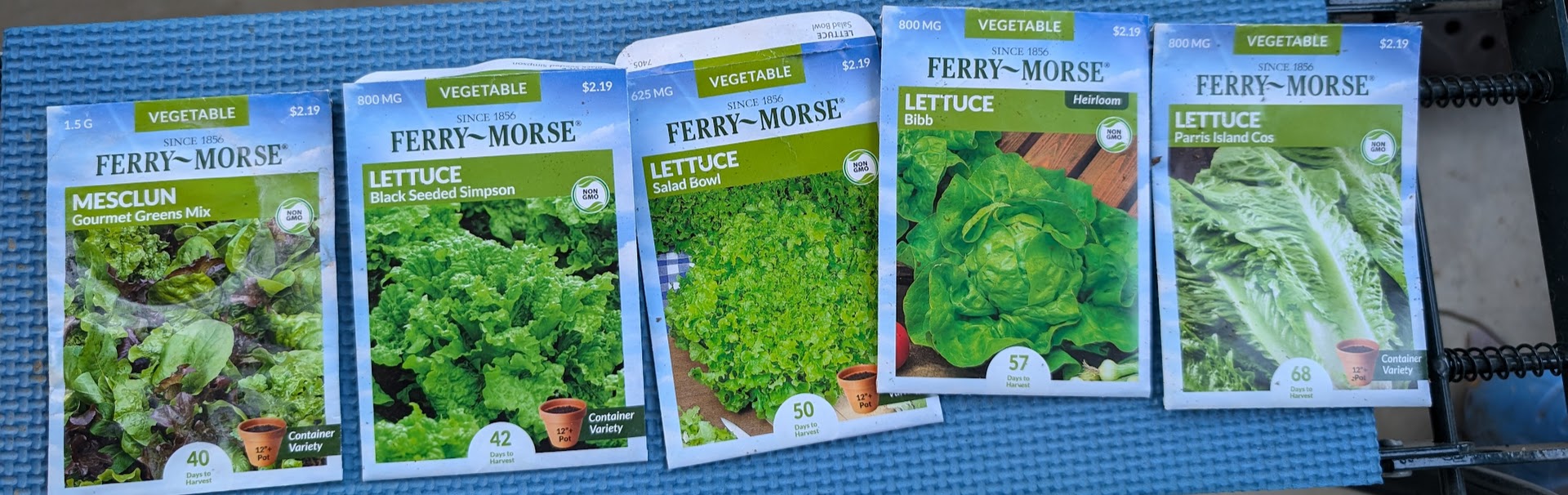
- Lettuce — All varieties; this is your last succession planting before bolting season
- Spinach — Quick to mature; plant now for spring harvest
- Arugula — Fast-growing; will be ready in 30–35 days
- Radishes — Harvest in 25 days
- Carrots — Long season; plant now for late-spring harvest
- Beets — Roots and greens both excellent
- Cilantro — Will bolt in a few weeks; plant for early harvest
Use a thin layer of vermiculite over seeded rows to retain moisture and prevent soil crusting.
Plant Now (Outdoors, Transplants)
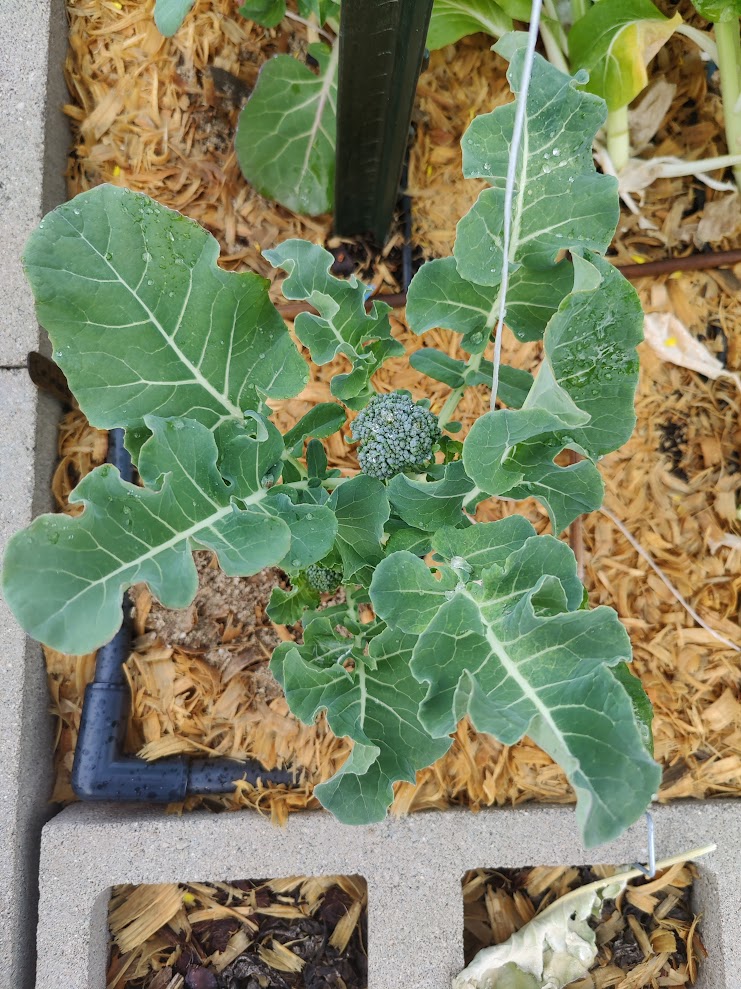
- Broccoli — Set out 6-week-old transplants for spring harvest
- Cauliflower — Last chance for spring cauliflower
- Cabbage — Early and late varieties
- Kale — Extremely productive through spring
- Onions — Sets or transplants for summer harvest
Garden Tasks — Week 1
- Walk all beds and take inventory of what's thriving and what's struggling
- Pull any spent crops and add to compost
- Add a fresh layer of compost around existing plants
- Check irrigation system; adjust timer settings for warming weather
- Label everything you plant using plant labels and UV-resistant markers
Week 2 (Feb 8–14): Transplanting and Succession Planting
Plant Now (Outdoors)
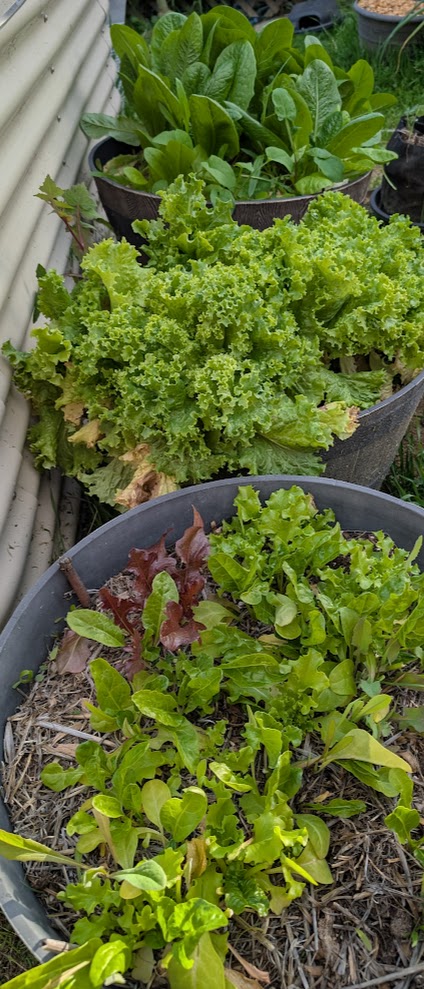
- Second succession of lettuce (follow Week 1 plantings by 1–2 weeks)
- Asian greens: bok choy, tatsoi, mizuna
- Peas (snow and snap) — this is your last window for spring peas
- Leeks (transplants from nursery)
Start Indoors (Warm-Season Seeds)
- Tomatoes — Start seeds indoors 6–8 weeks before last frost (late February/early March in zone 9b)
- Peppers — Slow germinators; start indoors week 2 at the latest
- Eggplant — Similar timing to peppers
Use seed-starting mix of coco coir + vermiculite for excellent germination rates. Label all trays immediately with plant labels and UV-resistant markers.
Garden Tasks — Week 2
- Cut back any spent or frost-damaged plant material
- Check on overwintering plants (artichokes, perennial herbs)
- Order seeds if you haven't already — popular varieties sell out
- Mulch bare soil with seedless straw to conserve moisture as temps rise
Week 3 (Feb 15–21): Soil Prep for Warm-Season Beds
Focus: Building Beds for Spring
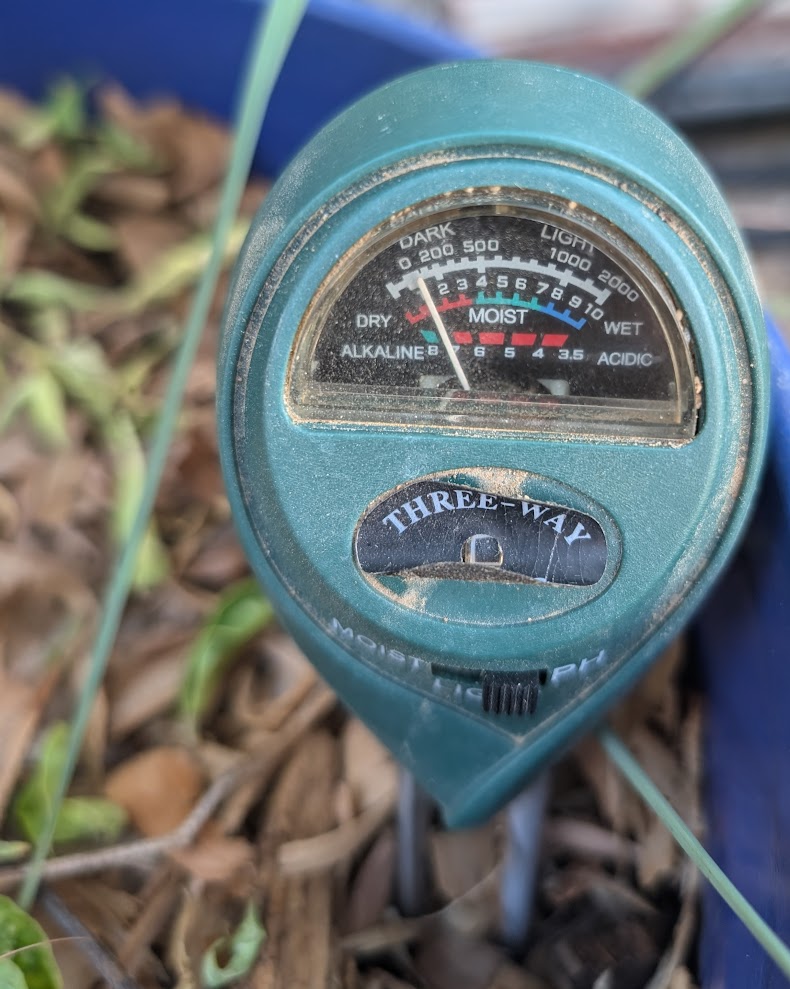
Week 3 is about preparing the ground for warm-season crops you'll transplant in late March and April.
Soil Preparation Steps
- Clear any spent cool-season crops
- Add 3–4 inches of compost to the surface
- Work in worm castings for biology
- Add gypsum to any compacted clay areas
- Install hardware cloth in new beds for gopher protection
- Let beds rest and settle for 2–3 weeks before planting
Outdoors Planting — Week 3
- Last round of fast-maturing cool-season crops (radishes, lettuce)
- Sweet peas (flowers) — last chance for spring blooms
- Succession sow cilantro for extended harvest
Garden Tasks — Week 3
- Cut back ornamental grasses before new growth emerges
- Divide perennials as they wake up
- Check drip irrigation for leaks or clogged emitters
- Test and upgrade your irrigation timer before the dry season begins
Week 4 (Feb 22–28): Warm Season Prep + Indoor Seed Starting
Indoor Seed Starting — Final Push
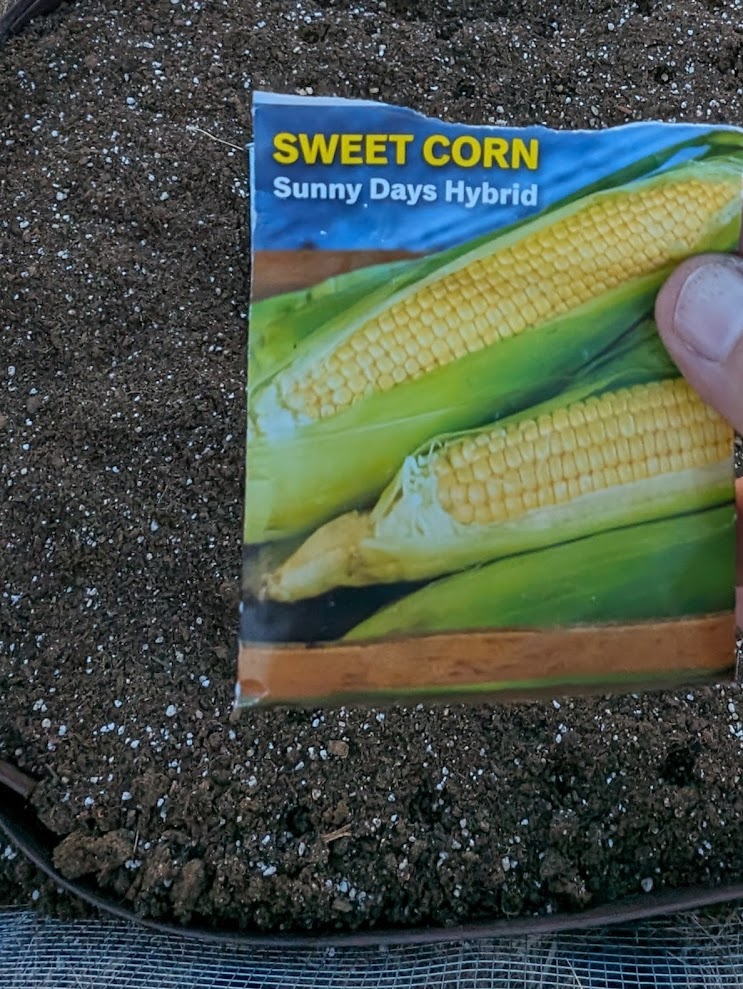
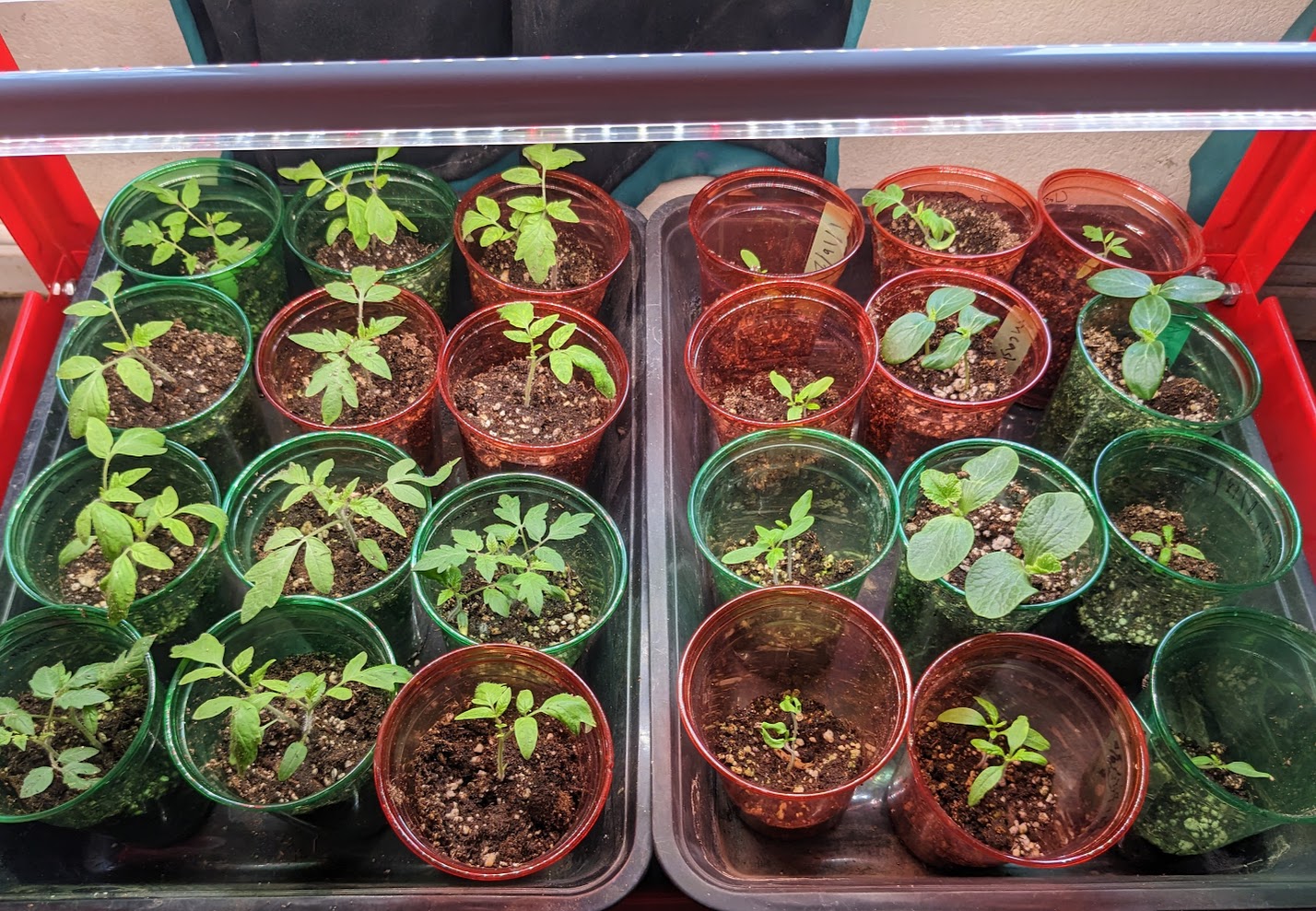
- Second round of tomatoes if first round didn't germinate well
- Basil (indoors only until nights are reliably above 50°F)
- Summer squash (start indoors 3–4 weeks before outdoor transplant)
- Melons (4–5 weeks before transplant)
Outdoors Planting — Week 4
- Direct sow beans in protected south-facing beds (soil temp should hit 60°F)
- Potatoes — cut seed potatoes, cure for 3 days, then plant 4 inches deep
- Artichoke transplants (good long-term investment)
Garden Tasks — Week 4
- Top dress all beds with organic fertilizer as plants wake up
- Check all irrigation zones are working before warm season demand spikes
- Set up trellises for peas, beans, and upcoming tomatoes
- Sheet mulch areas you won't plant until summer to suppress weeds
February Summary Checklist
Always Do in February:
- ✅ Succession plant cool-season greens (lettuce, spinach, arugula)
- ✅ Set out brassica transplants (broccoli, cauliflower, cabbage)
- ✅ Start tomatoes and peppers indoors
- ✅ Prepare warm-season beds (compost + amendments)
- ✅ Label everything
- ✅ Check and service irrigation
Never Do in February:
- ❌ Transplant tomatoes, peppers, or eggplant outdoors (too cold)
- ❌ Direct sow warm-season crops outdoors (wait until late March)
- ❌ Skip labeling seeds and transplants
- ❌ Neglect water — February can be dry even if it doesn't feel like it
What's Coming in March
March is when the warm season truly begins in Warm Springs. Tomato and pepper transplants go in the ground, direct sowing of beans and squash begins, and the garden really picks up momentum. February's preparation makes March's planting smooth and successful.
Want a personalized week-by-week planting calendar for your exact ZIP code? Sow What? Now! generates AI-powered recommendations based on your specific location and the current week. No more generic zone advice — get guidance tailored to exactly where and when you're gardening.
Disclosure: This post contains affiliate links. If you purchase through these links, I may earn a small commission at no additional cost to you. I only recommend products I personally use and trust in my own Inland Empire garden.
Filed under:
🌱
Know Exactly What to Plant This Week
Get personalised, AI-powered planting recommendations for your exact ZIP code and climate zone — every week. Sow What? Now! is free and currently in beta.
Try Sow What? Now! → Free