Vegetables
Cool Season Planting Guide for Inland Empire Gardeners: What to Plant in January
January is prime planting time in zone 9b! Learn exactly what cool-season vegetables to plant now in the Inland Empire for a bountiful spring harvest. Complete guide to lettuce, kale, broccoli, peas, and root vegetables.
If you're in the Inland Empire like me here in Warm Springs (zone 9b), January is one of the most exciting times in the garden. While gardeners in other parts of the country are bundled up indoors dreaming of spring, we get to roll up our sleeves and plant some of the most delicious vegetables of the year.
The mild winter temperatures in our zone 9b climate create perfect conditions for cool-season crops that would bolt in the summer heat. Let me walk you through exactly what to plant this month and how to set yourself up for a productive harvest.
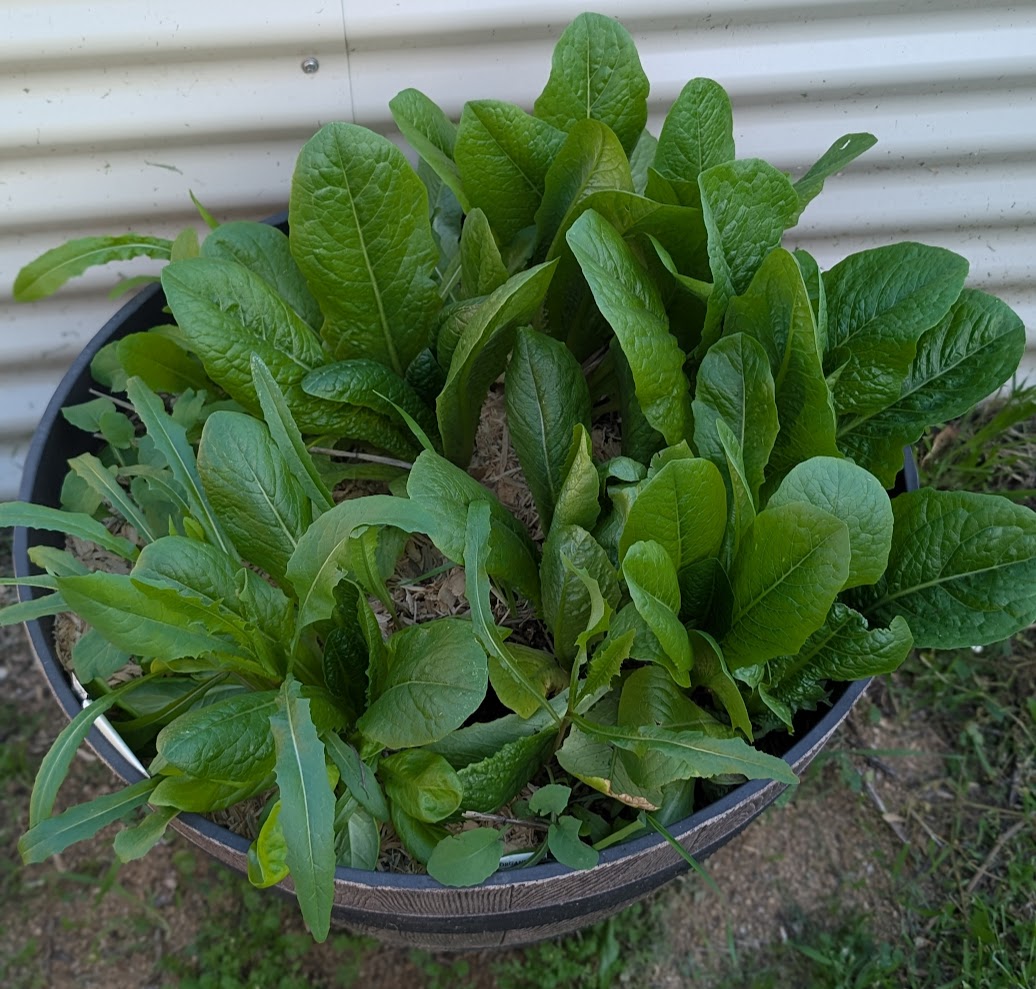
Why January is Prime Planting Time in Zone 9b
Our average January temperatures in the Inland Empire range from the mid-40s at night to the mid-60s during the day—ideal for cool-season vegetables. These crops actually prefer cooler weather and will reward you with:
- Sweeter, less bitter flavors (cold weather converts starches to sugars)
- Tender, crisp textures
- Reduced pest pressure compared to summer
- Lower water requirements
Plus, you'll be harvesting fresh produce in 6-10 weeks, right when grocery store prices are at their highest.
The Best Cool-Season Vegetables for January Planting
Lettuce: The January Superstar
Lettuce absolutely thrives in our January weather. You can plant seeds directly in the ground or start transplants for a head start.
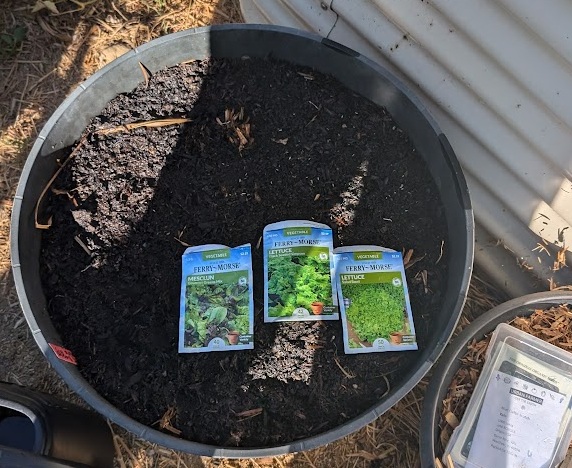
Varieties that excel here:
- Buttercrunch - Heat-tolerant for our warm springs
- Red Sails - Beautiful color and slow to bolt
- Romaine - Crisp and productive
- Mixed mesclun greens - Perfect for continuous harvest
Planting tips:
- Sow seeds every 2 weeks for continuous harvest
- Plant in partial shade if temperatures creep above 70°F
- Keep soil consistently moist but not waterlogged
- Harvest outer leaves for cut-and-come-again production
I use seed starting trays for transplants and direct sow in my raised beds for succession planting.
Kale: The Nutritional Powerhouse
Kale is nearly indestructible in our winter garden and actually tastes better after a light frost (which we occasionally get in January).
Top varieties:
- Lacinato (Dinosaur) Kale - Tender and sweeter than curly varieties
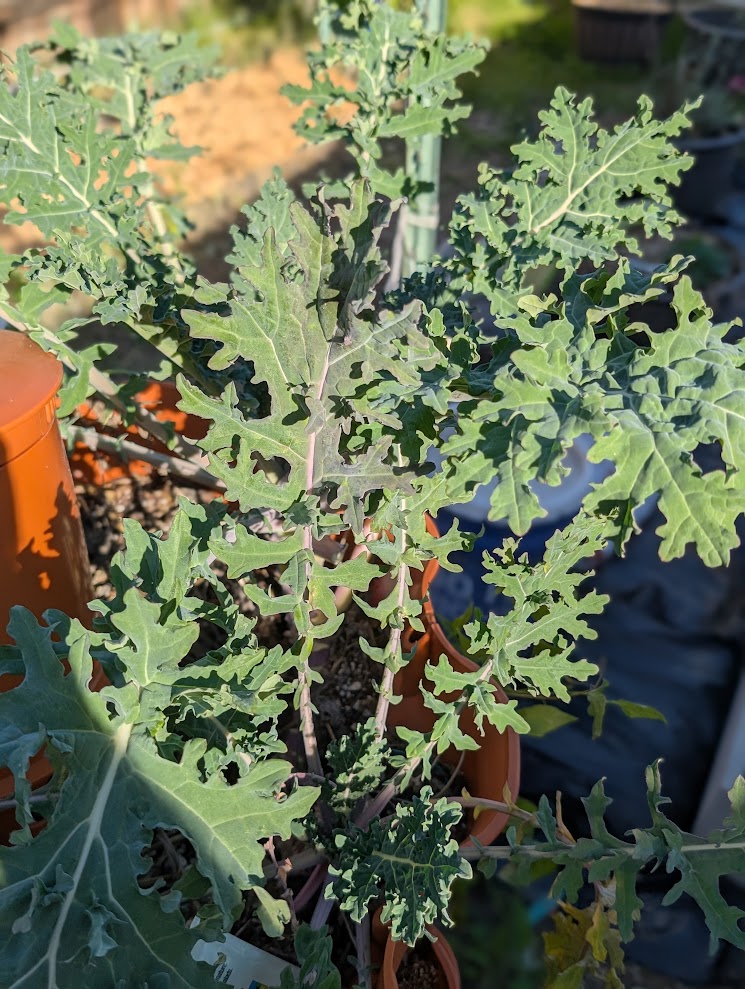
- Red Russian - Cold-hardy with beautiful purple veins
- Winterbor - Super curly and productive
Planting tips:
- Space plants 12-18 inches apart
- Plant in full sun (they can handle our winter sun)
- Amend soil with compost before planting
- Use organic vegetable fertilizer at planting time
Pro tip: Kale leaves get sweeter after our occasional cold nights, so don't worry if temperatures dip into the high 30s.
Broccoli: The Crown Jewel
Broccoli needs consistent cool weather to form those perfect heads, making January ideal for planting transplants in the Inland Empire.
Recommended varieties:
- Calabrese - Classic variety, reliable producer
- Di Cicco - Produces side shoots after main head
- Purple Sprouting - Stunning color and delicious
Planting tips:
- Start with transplants rather than seeds (they need a long growing season)
- Space 18-24 inches apart
- Plant in full sun
- Feed with balanced organic fertilizer every 3-4 weeks
- Mulch around plants to retain moisture
Peas: Sweet Success
Both snap peas and shelling peas love our January weather. Plant them now and you'll be harvesting sweet, crunchy pods by March.
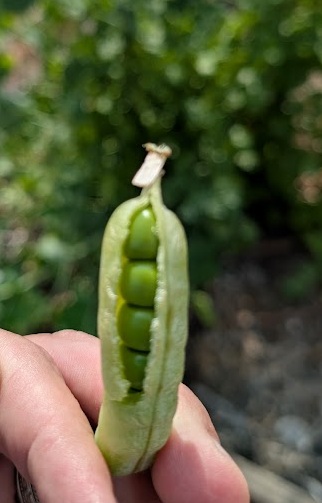
Best choices:
- Sugar Snap Peas - Edible pods, super sweet
- Sugar Ann - Compact variety, great for small spaces
- Lincoln - Classic shelling pea
Planting tips:
- Direct sow seeds 1 inch deep, 2 inches apart
- Provide support with pea netting or bamboo teepees
- Inoculate seeds with legume inoculant for better nitrogen fixation
- Plant in full sun
- Water regularly but don't overwater
Peas actually fix nitrogen in the soil, improving it for your next crop. I like to follow peas with heavy feeders like tomatoes.
Root Vegetables: Underground Treasures
January is perfect for planting carrots, radishes, beets, and turnips. Our loose, sandy soil in many Inland Empire areas is ideal for root development.
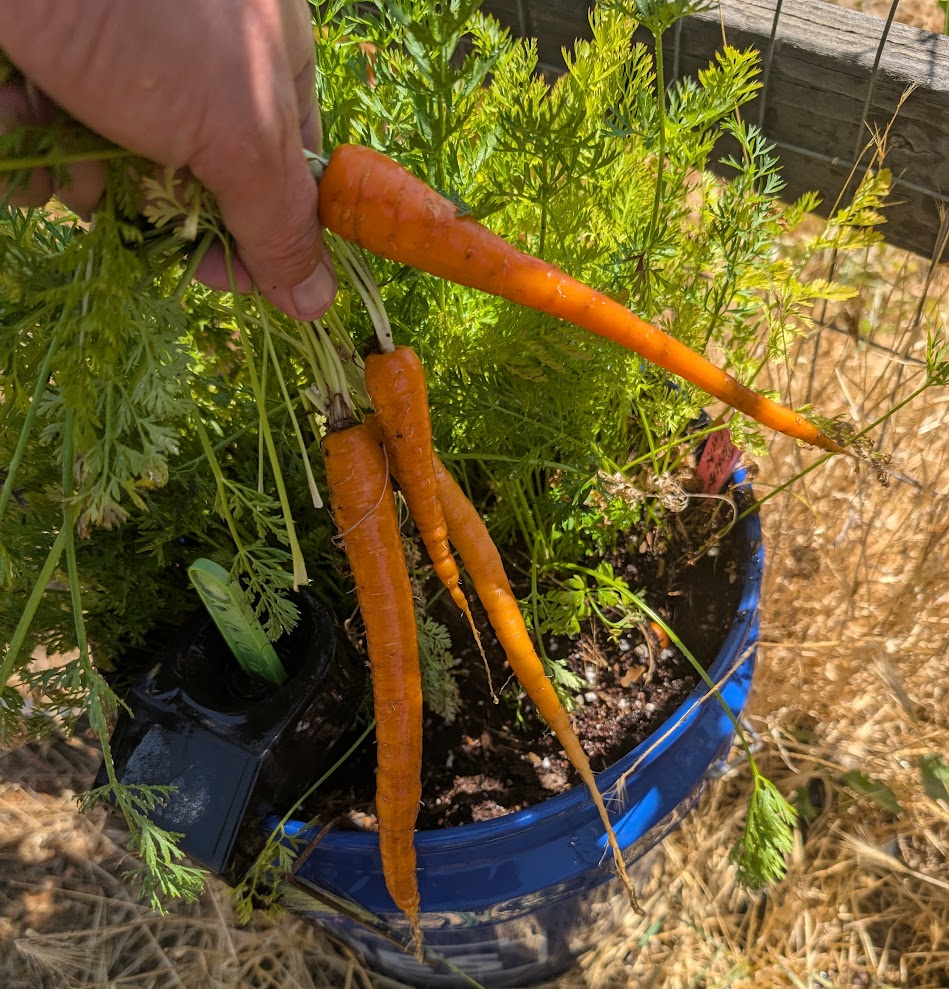
Carrots:
- Nantes varieties work great in our soil
- Rainbow blend adds color to salads
- Direct sow and cover with cardboard for the first few days until 2 or 3 seedlings are visible, then remove the cover.
- Thin to 2 inches apart or use carrot seed tape for easier spacing
Radishes:
- Cherry Belle - Ready in 22 days
- French Breakfast - Mild and crisp
- Perfect for succession planting every week
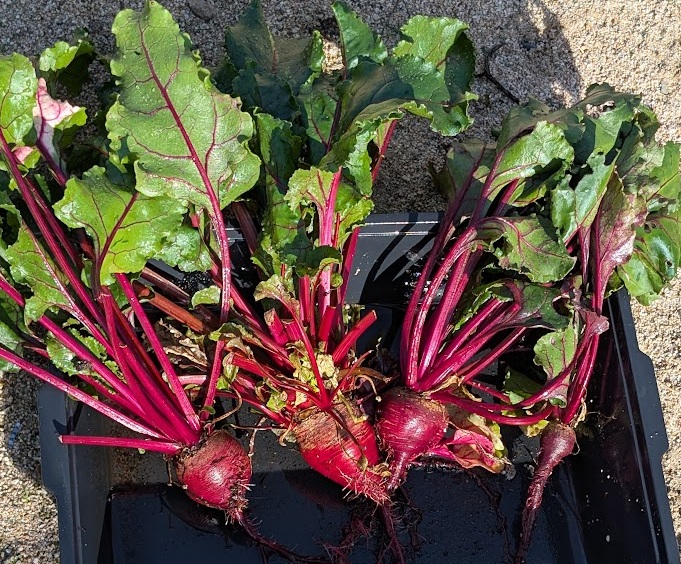
Beets:
- Detroit Dark Red - Classic variety
- Golden beets - Sweeter, won't stain
- Thin seedlings to 3 inches apart (use thinnings in salads!)
Turnips:
- Hakurei - Sweet, tender, fast-growing
- Can harvest greens and roots
Essential Supplies for January Planting
Here's what I keep on hand for successful cool-season planting:
- High-quality potting mix for seed starting.
- Organic compost for soil amendment
- Row covers for frost protection (we do get the occasional freeze)
- Soaker hoses or drip irrigation for efficient watering
- Organic vegetable fertilizer for feeding
- A Hori Hori Garden Knife
- pH soil tester (our soil tends to be alkaline)
Soil Preparation Tips for Inland Empire Gardens
Our Inland Empire soil can be challenging—often heavy clay or sandy, and frequently alkaline. Here's how I prep my beds:
- Test your soil pH - Most vegetables prefer 6.0-7.0, but ours often runs 7.5-8.0
- Add sulfur if needed to lower pH
- Mix in 2-4 inches of compost to improve texture and add nutrients
- Add gypsum to clay soils to improve drainage
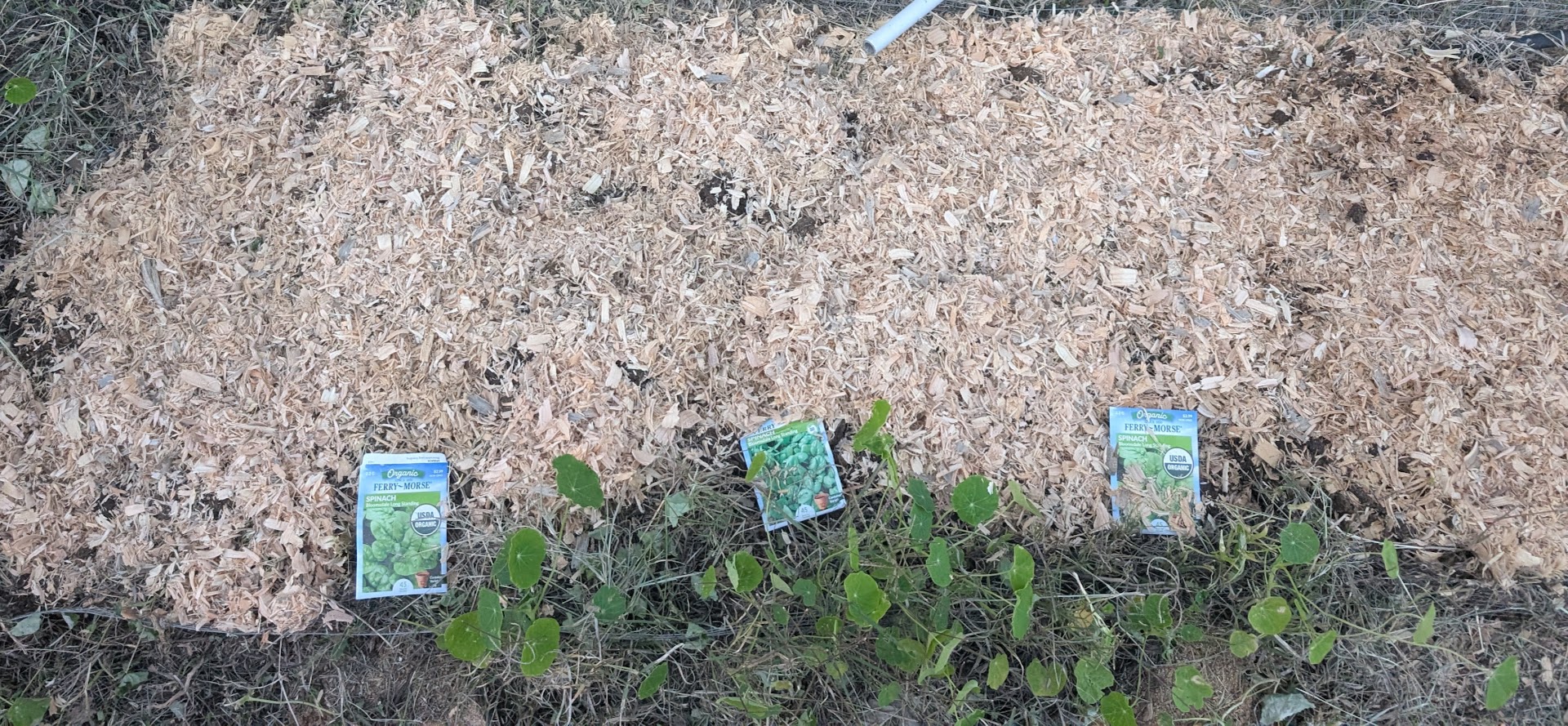
- Mulch after planting with straw or wood chips to retain moisture
Watering Schedule for January
Even though January is cooler, we still need to water regularly—our humidity is low and we rarely get significant rain.
General guidelines:
- Seedlings: Daily light watering until established
- Established plants: Deep watering 2-3 times per week
- Adjust based on weather (more if Santa Ana winds arrive)
- Water in the morning to prevent fungal issues
Frost Protection Strategy
While we're zone 9b, we do occasionally dip below freezing in January, especially in low-lying areas. Here's my frost protection plan:
- Keep frost blankets handy
- Watch weather forecasts
- Water plants the day before a predicted freeze (moist soil holds heat better)
- Cover sensitive plants when temperatures will drop below 32°F
- Remove covers once temperatures rise above freezing
Most cool-season crops can handle light frost (28-32°F), but protect them from hard freezes.
Companion Planting for Cool-Season Gardens
Maximize your garden space and plant health with these companion pairings:
- Lettuce + radishes - Radishes break up soil for lettuce roots
- Kale + beets - Different root depths, don't compete
- Peas + carrots - Peas add nitrogen for carrots
- Broccoli + onions - Onions deter pests from brassicas
Common Mistakes to Avoid
- Planting too late - Get these in the ground now; by March it may be too warm
- Overcrowding - Give plants room to grow
- Inconsistent watering - Leads to bitter lettuce and cracked roots
- Skipping soil prep - Poor soil = poor harvest
- Not succession planting - Plant lettuce every 2 weeks for continuous harvest
What to Do Right Now
- Order seeds and transplants
- Prepare your beds with compost
- Check your irrigation system
- Get frost covers ready
- Plant your first round of lettuce, kale, and peas
- Mark your calendar for succession planting
Looking Ahead
By planting now, you'll be harvesting fresh, organic vegetables by late February and March. This is the same produce that costs $4-6 per pound at the farmers market, growing in your backyard for pennies.
Plus, you're setting yourself up perfectly for the next planting window in late February when we'll start warm-season crops like tomatoes and peppers.
What are you planting this January? Drop a comment below and let me know what cool-season vegetables you're most excited about! And if you're new to Inland Empire gardening, feel free to ask questions—I'm here to help.
Want week-by-week planting guidance specific to your zip code? Check out Sow What? Now! — enter your ZIP code and get AI-powered recommendations for what to plant this week in your specific zone.
Disclosure: This post contains affiliate links. If you purchase through these links, I may earn a small commission at no additional cost to you. I only recommend products I personally use and trust in my own Inland Empire garden.
Filed under:
🌱
Know Exactly What to Plant This Week
Get personalised, AI-powered planting recommendations for your exact ZIP code and climate zone — every week. Sow What? Now! is free and currently in beta.
Try Sow What? Now! → Free